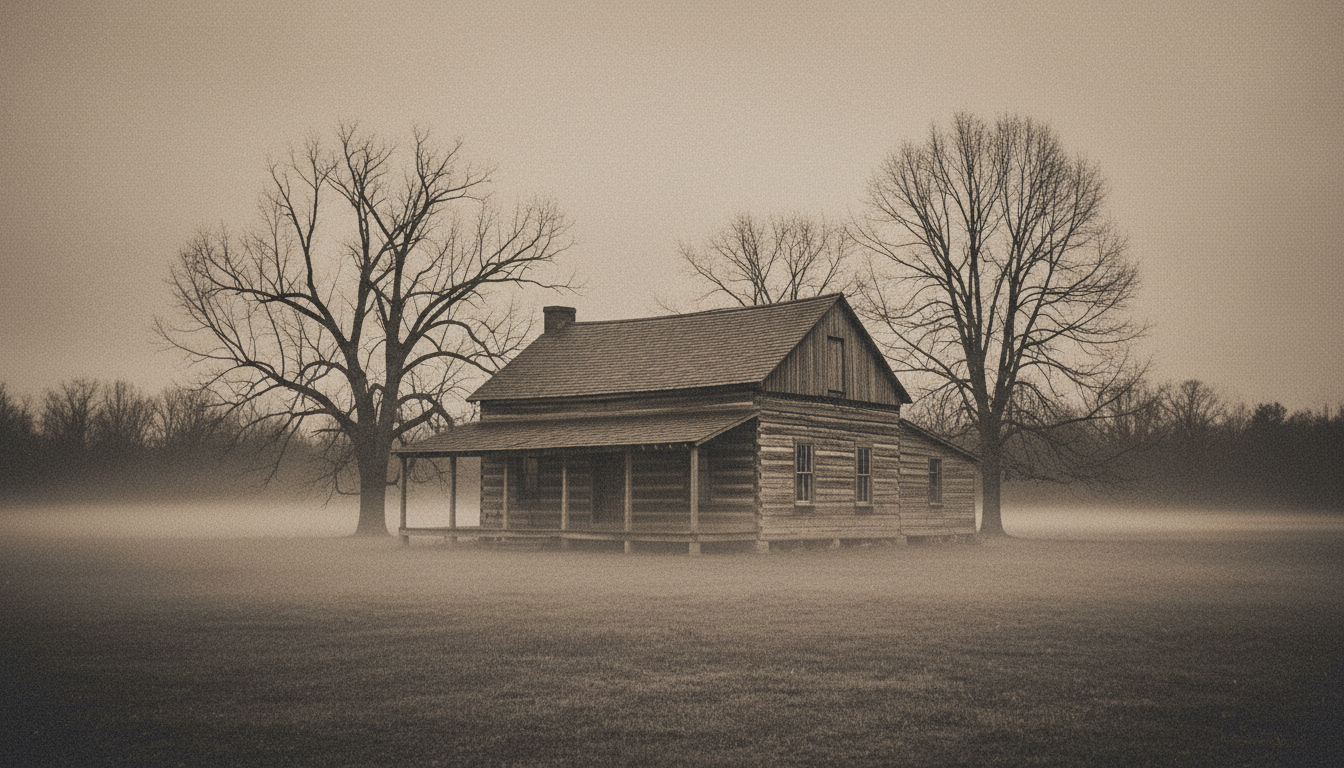
The 1978 Cattle Mutilation Phenomenon in Colorado
— EXECUTIVE SUMMARY
In 1978, Colorado ranchers faced a wave of inexplicable cattle mutilations characterized by surgical precision and missing organs, sparking intense public fear and government scrutiny. Despite extensive investigations by the FBI and state authorities, the phenomenon remains an unresolved intersection of folklore, scientific inquiry, and persistent mystery.
The moment it began
In the biting cold of January 1978, the high plains of Colorado were gripped by a silence that felt heavier than the winter snow. For the ranchers who tended the vast, isolated stretches of land, the dawn usually brought the rhythmic chores of livestock management, but that winter, the routine was shattered. The air was thin and crisp, and the landscape, often bathed in the pale, unforgiving light of the Colorado sun, became a stage for a series of events that defied the natural order of the range. Ranchers, men and women who had spent their entire lives reading the signs of the land—the tracks of a coyote, the behavior of a herd, the subtle shifts in the wind—found themselves staring at scenes that made no sense. It was not the typical loss of a calf to a harsh winter or a predator’s strike; it was something far more clinical. The livestock, often found in remote pastures, appeared as if they had been touched by a cold, precise hand that left no footprints, no struggle, and no explanation. The atmosphere was thick with a growing, unspoken dread that began to permeate the local communities, turning the quiet, industrious life of the rancher into a state of constant, nervous vigilance.
What they saw
What the ranchers discovered in those frozen fields was a sight that would haunt them for decades. The animals were found dead, but the manner of their demise was profoundly disturbing. There was no blood, no sign of a struggle, and no evidence of the typical scavenging that usually follows a death on the range. Instead, the carcasses exhibited injuries that appeared to have been inflicted with surgical precision. Specific organs—often the eyes, ears, tongues, and reproductive organs—had been removed with clean, sharp incisions. In some instances, the animals were found in areas that had been inaccessible to vehicles, yet the bodies showed no signs of having been dragged or transported. The lack of blood at the scene was particularly baffling to those who had spent their lives around livestock, as it suggested a level of biological manipulation that seemed impossible in the wild. The contrast between the pristine, untouched snow surrounding the carcass and the clinical, almost mechanical nature of the mutilations created a visual dissonance that left even the most seasoned observers shaken. It was as if the animals had been processed in a laboratory, yet they were lying in the middle of an open, desolate pasture.
The witnesses
Those who stood over these carcasses were not prone to flights of fancy; they were practical, hard-working individuals whose livelihoods depended on the health of their herds. Ranchers across various Colorado counties, including those in the northern regions, found themselves thrust into the role of reluctant witnesses to the impossible. Their backgrounds were rooted in the soil, and their words were measured, yet their fear was palpable. Many spoke of the eerie silence that accompanied these discoveries, noting that even the local wildlife seemed to avoid the immediate vicinity of the dead animals. Some ranchers, like those in Logan County, reported seeing strange, flickering lights in the sky, often described as unidentified aerial phenomena or 'mystery helicopters' that moved with a speed and silence that defied conventional aviation. These witnesses, often interviewed by local sheriffs or journalists, described a sense of helplessness. They were not looking for fame or notoriety; they were looking for answers to why their animals were being targeted in such a systematic, inexplicable fashion. Their documented accounts, preserved in local newspapers and investigative files, reflect a community struggling to reconcile their reality with the bizarre events unfolding on their land.
The investigation
As the reports mounted, the pressure on local law enforcement became immense. Sheriffs’ departments across Colorado, overwhelmed by the sheer volume of calls and the lack of leads, initiated their own investigations. They measured, photographed, and documented every detail, hoping to find a pattern that would lead them to a perpetrator. In some cases, they brought in veterinarians to perform necropsies, but the results only deepened the mystery. The Colorado Bureau of Investigation (CBI) also became involved, collecting samples and attempting to determine if these were the work of human cults or clandestine groups. However, the evidence remained frustratingly elusive. Investigators found little in the way of physical clues—no tire tracks, no footprints, and no discarded tools. The photographs taken by local sheriffs, such as those in the possession of the Logan County Sheriff’s office, showed the stark, clinical nature of the cuts, yet they provided no insight into the 'who' or the 'how.' The investigation was a race against time and the elements, with authorities constantly battling the skepticism of the public and the limitations of their own forensic capabilities.
The official record
The official record of the 1978 phenomenon is a complex tapestry of reports, memos, and, in some cases, silence. While local authorities were diligent in their documentation, the higher levels of government were often more cautious. The FBI, under pressure from concerned citizens and members of Congress, eventually launched a more formal inquiry, most notably the investigation led by agent Kenneth Rommel. His report, a massive document spanning hundreds of pages, attempted to categorize the deaths and provide a rational explanation. However, the report itself became a subject of controversy. While it concluded that many of the cases could be attributed to natural causes or predator activity, it left a significant number of incidents unexplained. The files, now archived and accessible through the National Archives and the FBI’s own vault, reveal a government struggling to address a phenomenon that did not fit into any existing legal or scientific framework. Much of the information remained classified or was simply never fully resolved, leading to persistent theories about government secrecy and the potential involvement of clandestine research projects that were never disclosed to the public.
The arguments
Debate over the cause of these mutilations has been fierce and polarized. Skeptics, including many in the scientific and law enforcement communities, have long argued that the phenomenon is the result of natural predation and scavenging. They point to the work of coyotes and other scavengers, which they claim can create wounds that appear 'surgical' to the untrained eye, especially when the carcass has been exposed to the elements. They argue that the lack of blood is a common occurrence in cases of advanced decomposition or when the animal has been drained by scavengers. Conversely, many ranchers and independent researchers reject these explanations, citing the sheer precision of the cuts and the absence of typical predator tracks. They argue that the 'predator' theory fails to account for the specific, consistent nature of the organ removal and the reports of strange aerial activity. The argument is not just about biology; it is about the limits of our understanding of the natural world and the potential for human or non-human intervention that remains outside the scope of conventional science.
Where the case stands today
Decades later, the 1978 cattle mutilation phenomenon remains a hallmark case in the study of the unexplained. While the intensity of the reports has waned, the questions they raised continue to resonate. The incidents highlighted a profound intersection between the rural reality of the American West and the broader, more unsettling theories about extraterrestrial life and government experimentation. For the families who lived through it, the fear may have faded, but the memory of those cold, silent mornings remains. The case serves as a reminder that there are still corners of our world that defy easy explanation, and that the pursuit of truth is often a long, winding road. Today, the archives at the National Archives and the records held by organizations like the UFO Research Association continue to be consulted by researchers and the curious alike. The 1978 events are not just a historical footnote; they are a testament to the enduring human need to understand the unknown, even when the answers remain just out of reach, hidden in the vast, dark expanse of the Colorado plains.
— CHAIN OF CUSTODY: SOURCES & FURTHER READING
— FIELD REPORTS (0)
Sign in to post a field report.
No field reports yet. Be the first to contribute.
DISCLAIMER: Every story on this site is based on documented real-world reports or official records. We do not publish fiction. All sources are cited above.