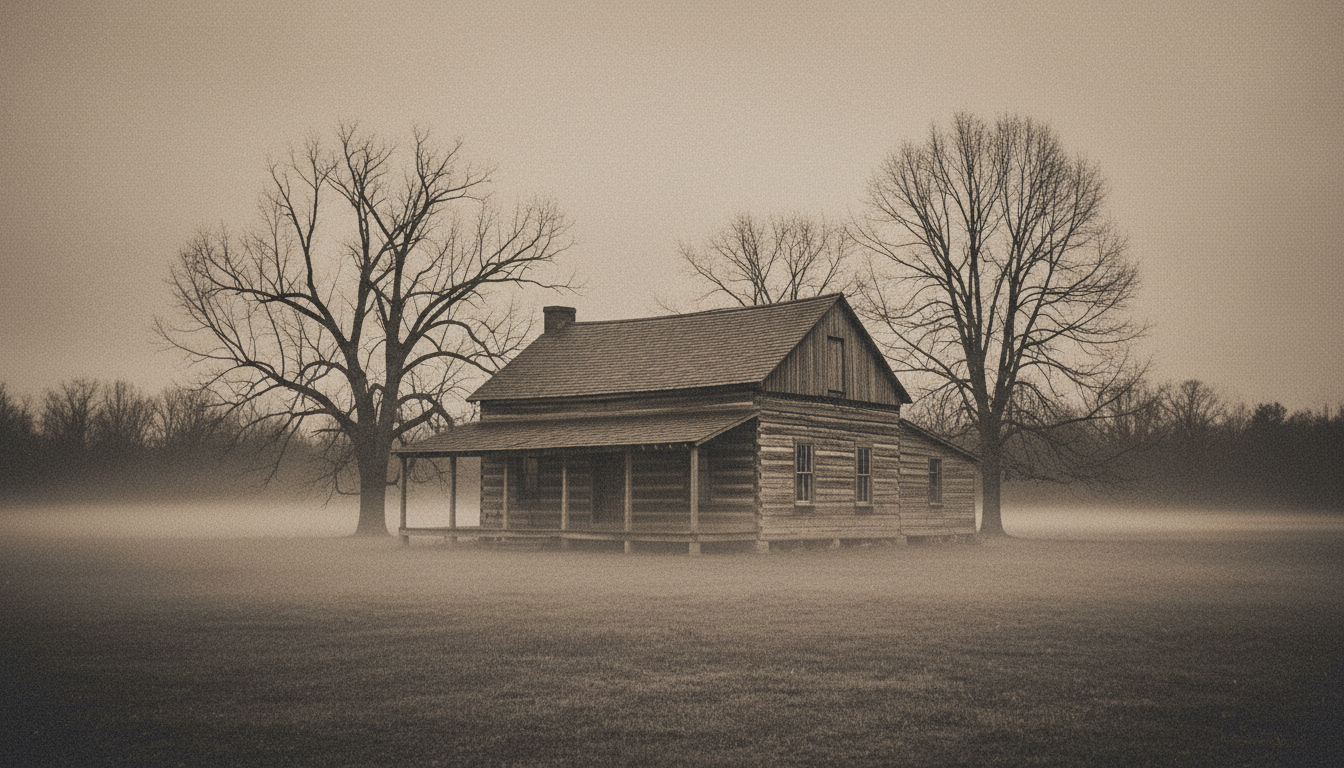
The 1848 Hydesville Rappings: Documentary Evidence of the Birth of Modern Spiritualism
— EXECUTIVE SUMMARY
The Fox sisters allegedly established communication with a deceased entity through a series of mysterious raps and knocks in their family home. This event led to a widespread cultural movement and was documented in local legal depositions and news reports.
Background
In late March 1848, the family of John Fox in Hydesville, New York, began experiencing inexplicable auditory phenomena. His daughters, Margaret (14) and Kate (11), claimed the sounds were coming from a spirit. On the night of March 31, the girls supposedly established a code, asking the 'entity' to rap in response to questions. This event is widely cited by historians as the beginning of the Modern Spiritualist movement.
Contemporary Documentation
The events were not merely local folklore; they were documented in a series of depositions and pamphlets shortly after they occurred. Neighbors were invited to witness the phenomena, and many signed statements attesting to the reality of the knocks, which seemed to originate from the walls and floors and demonstrated an intelligent response to queries. These witnesses reported that the sounds provided accurate information about a peddler who had purportedly been murdered in the house years prior.
Investigation and Public Scrutiny
As the Fox sisters gained fame, they were subjected to numerous investigations by skeptical committees. In 1850, a group of doctors in Buffalo, New York, examined the girls and proposed that the sounds were produced by the girls cracking their knee or toe joints—a theory the sisters denied at the time. However, the sheer volume of recorded testimonies from diverse observers in Hydesville and later Rochester created a significant historical record of a mass paranormal claim that influenced 19th-century theology and social reform.
Historical Significance and Later Disclosures
Decades later, in 1888, Margaret Fox publicly confessed that the rappings were a hoax, demonstrating how they cracked their toes to produce the sound. However, she later recanted this confession. Despite the controversy and potential for fraud, the Hydesville case remains a vital historical study in the sociology of the paranormal. The original depositions and news coverage from the New York Tribune and local Rochester papers provide a meticulous timeline of how a single haunting claim transformed into a global religious and cultural phenomenon, as preserved in the Library of Congress archives.
— CHAIN OF CUSTODY: SOURCES & FURTHER READING
— FIELD REPORTS (0)
Sign in to post a field report.
No field reports yet. Be the first to contribute.
DISCLAIMER: Every story on this site is based on documented real-world reports or official records. We do not publish fiction. All sources are cited above.