◆UAP / Naval
The 1966 USS Ticonderoga UAP Incident: Declassified Naval Intelligence and Deck Log Documentation
March 16, 1966 South China Sea
#USS Ticonderoga#Navy Deck Logs#South China Sea#Naval Intelligence#FOIA
— EXECUTIVE SUMMARY
Naval personnel aboard the USS Ticonderoga (CVA-14) observed and tracked multiple unidentified luminous objects performing erratic maneuvers near the carrier strike group. Official deck logs and declassified intelligence reports confirm that the objects were detected by both visual lookouts and shipboard radar.
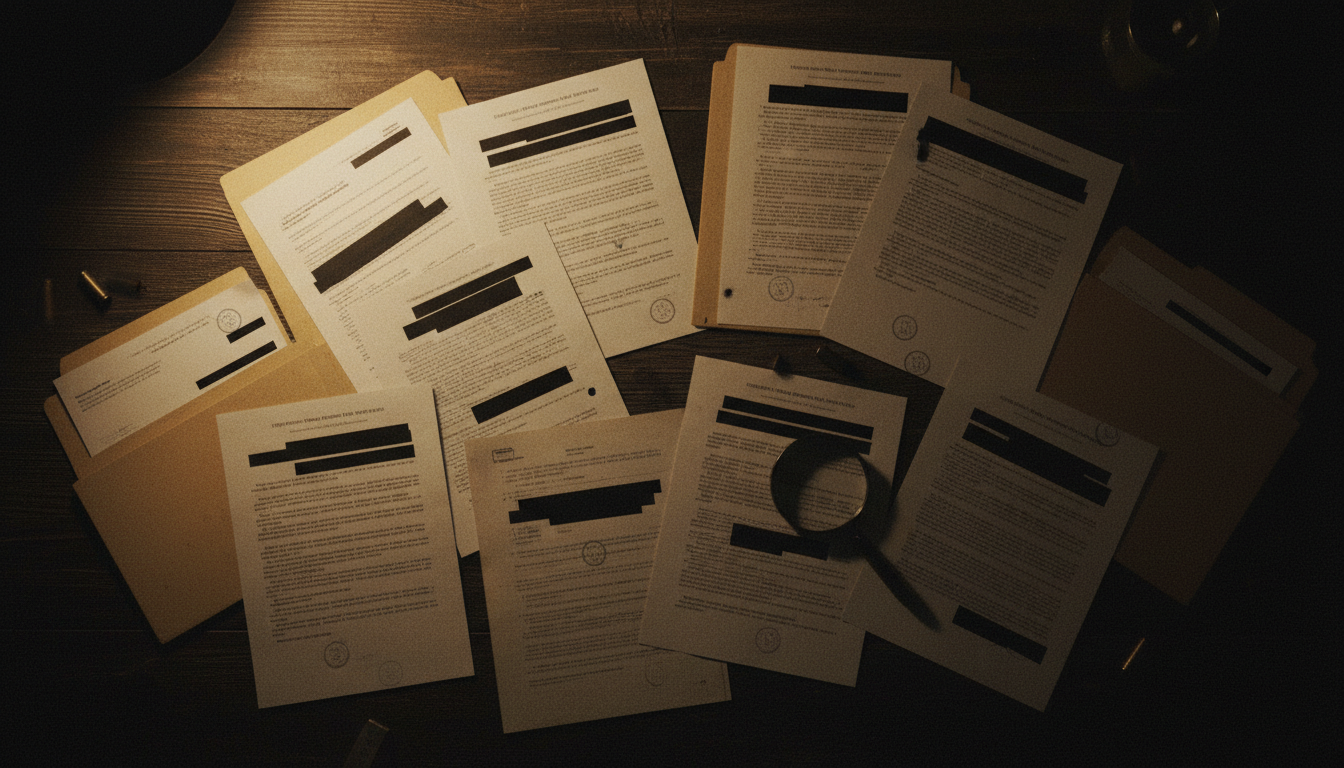
Maritime Anomalous Encounters In March 1966, the aircraft carrier USS Ticonderoga was operating in the South China Sea during the Vietnam War. According to official ship deck logs, lookouts observed two 'luminous objects' that appeared to be pacing the ship. The objects were described as having a brilliant white light and moving in a manner that suggested intelligent control. The incident was not isolated; several other vessels within the carrier strike group reported similar anomalies during the same 48-hour period. These sightings were taken seriously enough to be recorded in the official permanent record of the vessel's daily operations, a rarity for non-combat related anomalies. ## Radar Tracking and Intelligence Reporting The objects were not merely visual; the Ticonderoga's radar operators tracked the targets at altitudes ranging from 5,000 to 20,000 feet. The targets exhibited 'instantaneous acceleration' and the ability to hover stationary before moving at speeds estimated to exceed Mach 3. Declassified documents obtained via the Freedom of Information Act and archived by The Black Vault show that the Office of Naval Intelligence (ONI) conducted follow-up interviews with several crew members. These reports, which were previously classified as 'Secret,' detail the frustration of the radar operators who could find no conventional explanation—such as weather balloons, flares, or Soviet aircraft—for the precise and deliberate maneuvers of the objects. ## Strategic Context and Archive Records The USS Ticonderoga incident occurred during a peak period of naval activity, yet the UAP encounter stood out due to its persistence. The logs indicate that the objects remained within the vicinity of the fleet for several hours before performing a vertical ascent and disappearing from radar. The National Archives maintains the original deck logs for CVA-14, which serve as primary source evidence of the encounter. This case is frequently cited by researchers as a precursor to the modern 'transmedium' observations reported by the USS Nimitz and USS Omaha, demonstrating a long-standing pattern of UAP interest in naval carrier strike groups and nuclear-powered assets.
— CHAIN OF CUSTODY: SOURCES & FURTHER READING
— FIELD REPORTS (0)
Sign in to post a field report.
No field reports yet. Be the first to contribute.
DISCLAIMER: Every story on this site is based on documented real-world reports or official records. We do not publish fiction. All sources are cited above.