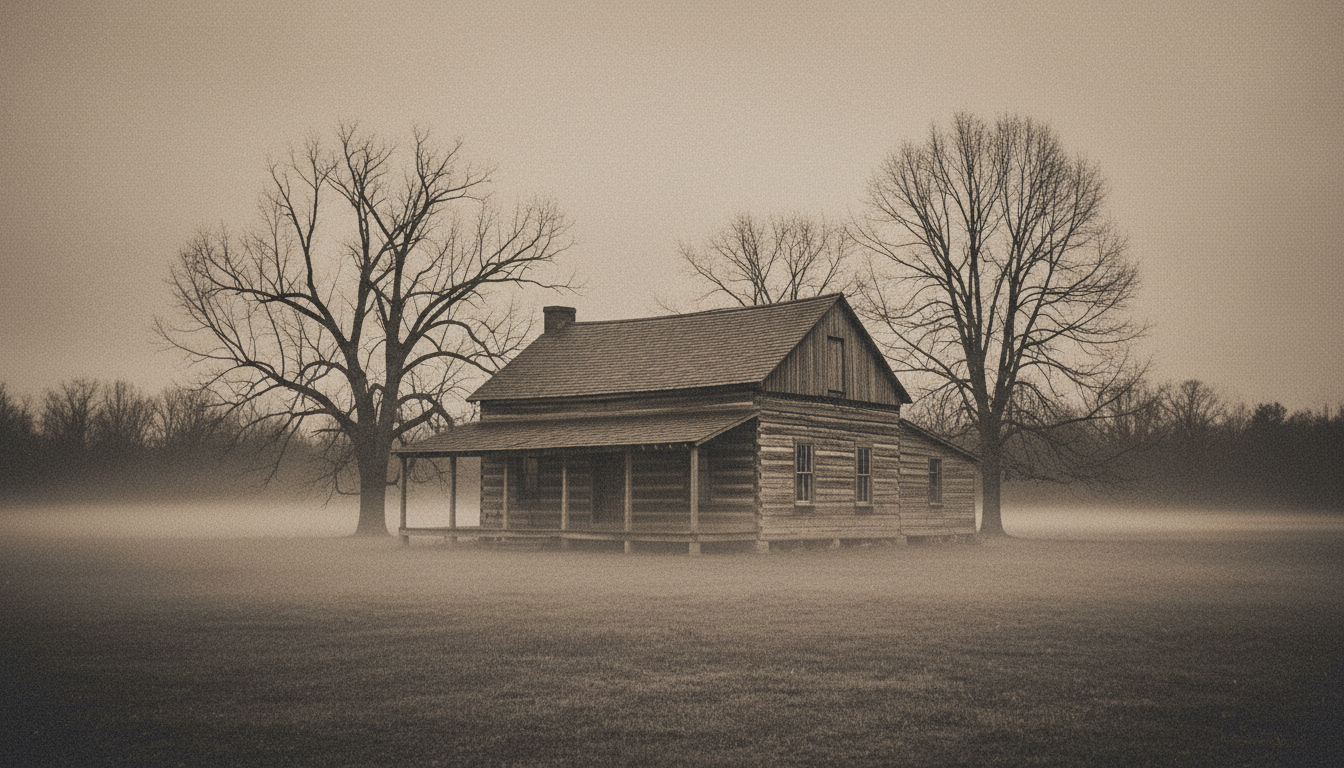
The 1909 Delaware Valley Mass Sighting: Historical Records of the 'Jersey Devil' Panic
— EXECUTIVE SUMMARY
A week-long wave of sightings of a winged bipedal creature across the Delaware Valley resulted in widespread panic and official police investigations.
A State of Emergency
Between January 16 and January 23, 1909, the states of New Jersey and Pennsylvania experienced one of the largest mass-sighting events in American history. Thousands of residents reported encounters with a creature described as a winged biped with a horse-like head, cloven hooves, and a piercing scream. The event, historically linked to the legend of the 'Jersey Devil,' transitioned from folklore to a documented public safety crisis as police departments in Camden, Philadelphia, and Bristol were flooded with calls. In some towns, factories were closed and schools were shuttered as residents refused to leave their homes after dark.
Documented Official Reports
Unlike many cryptid legends, the 1909 flap is preserved in extensive contemporary news archives and municipal records. On January 19, the Philadelphia Inquirer and the New York Times reported that a 'flying thing' had been fired upon by police officers in Bristol, Pennsylvania, and West Collingswood, New Jersey. In Burlington, the local postmaster and several police officers claimed to have seen the creature illuminated by streetlights, describing it as emitting a 'vivid light' or glowing phosphorescence. Strange, cloven-hoof footprints were found on the snow-covered rooftops of homes and across fenced yards that were otherwise undisturbed, a phenomenon documented by local tracking parties and reported in the Philadelphia North American.
Scientific and Historical Analysis
The 1909 sightings are often categorized by modern researchers as a 'mass hysteria' event, yet the consistency of the physical evidence—specifically the rooftop tracks—remains an anomaly in historical archives. Some researchers suggest the sightings were misidentifications of a sandhill crane or a large owl, but contemporary reports from zoo officials at the time rejected these explanations, noting that no known animal fit the descriptions provided by hundreds of disparate witnesses. The Library of Congress's 'Chronicling America' archive contains hundreds of digitized newspapers from that week, providing a day-by-day account of the panic. The event remains a significant case study in both cryptozoology and the sociological impact of mass aerial sightings before the modern 'UFO' era.
— CHAIN OF CUSTODY: SOURCES & FURTHER READING
— FIELD REPORTS (0)
Sign in to post a field report.
No field reports yet. Be the first to contribute.
DISCLAIMER: Every story on this site is based on documented real-world reports or official records. We do not publish fiction. All sources are cited above.