◆UAP / Naval
The 1908 HMS Pelorus Encounter: Documented Naval Observations of Submerged Luminous Wheels
1908-05-24 Persian Gulf
#Royal Navy#USO#Persian Gulf#Luminous Wheels#Historical Naval Records
— EXECUTIVE SUMMARY
The crew of a British Royal Navy cruiser reported massive, rotating wheels of light beneath the sea surface that transitioned into aerial phenomena.
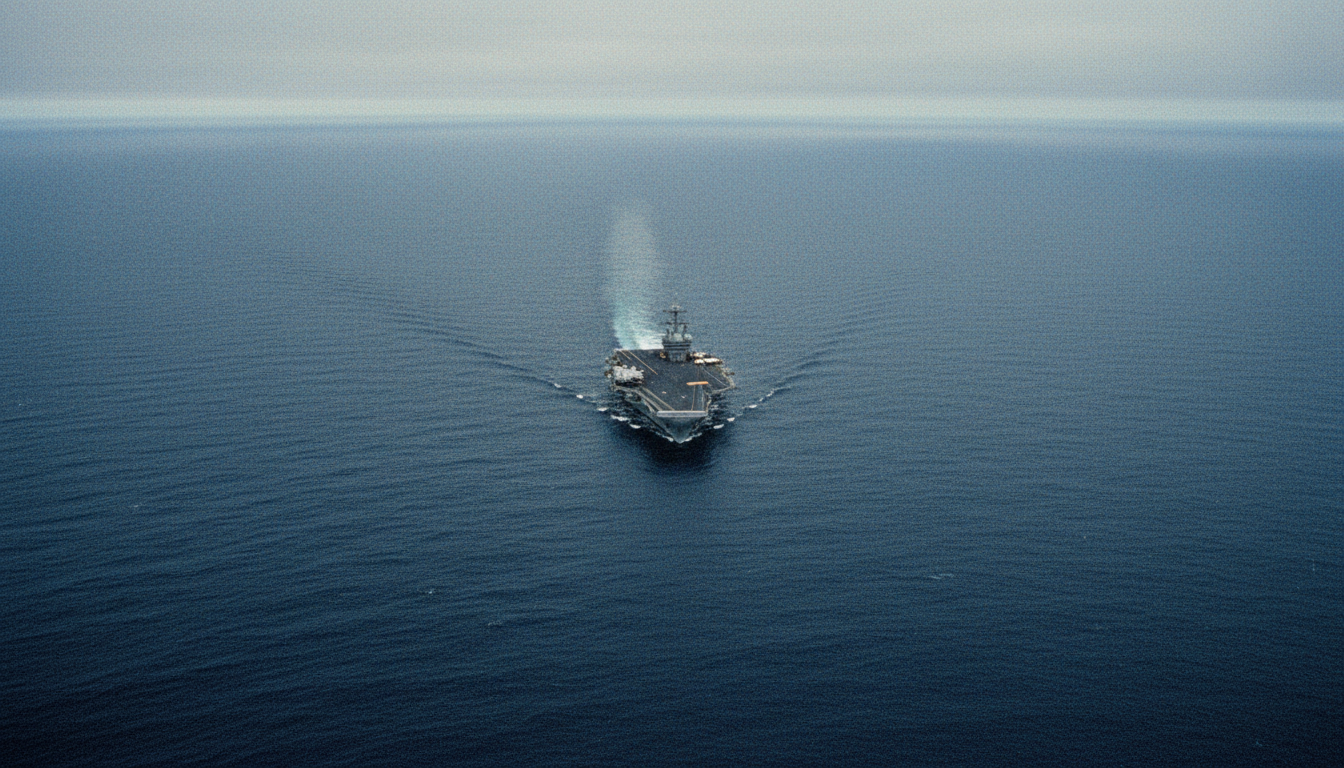
Naval Observation in the Persian Gulf\n\nOn the night of May 24, 1908, the crew of the HMS Pelorus, a Prometheus-class protected cruiser of the Royal Navy, encountered one of the most peculiar maritime anomalies in naval history. While navigating the waters of the Persian Gulf, the ship's officers and lookouts observed what were initially described as 'vivid shafts of light' pulsating beneath the water's surface. According to the official reports later submitted to the British Admiralty, these lights did not behave like bioluminescence but appeared as structured, mechanical rotations. The Commanding Officer, Admiral Sir Arthur Fanshawe, and his bridge crew documented the incident with technical precision, noting the speed and direction of the light shafts relative to the ship’s heading.\n\n## The 'Luminous Wheels' Phenomenon\n\nThe phenomenon consisted of two massive, rotating wheels of light, estimated to be several hundred feet in diameter. These wheels appeared to be 'spinning' around a central hub, with the spokes of light passing directly under the HMS Pelorus. The lights were so bright that they illuminated the ship’s hull and the surrounding sea. Witnesses described the rotation as remarkably rapid, yet the shafts of light remained perfectly straight as they swept across the ocean floor and through the water column. Similar reports of 'phosphorescent wheels' had been logged in the region previously, but the Pelorus encounter was unique due to the high rank of the witnesses and the detailed logs kept by the Royal Navy.\n\n## Historical Records and Admiralty Reports\n\nDocumentation of the Pelorus sighting is preserved in the National Archives at Kew and was widely reported in contemporary scientific journals such as 'Nature' and the 'Marine Observer.' The incident remains a significant entry in the study of 'Unidentified Submersible Objects' (USOs) and their historical prevalence. Skeptics at the time suggested the phenomenon might be caused by schools of fish or seismic activity, but the structured, rotating nature of the lights led many naval experts to conclude that a more complex, possibly anomalous, origin was responsible. The report was archived by the British Hydrographic Office, where it remains a frequently cited historical case for modern researchers investigating transmedium UAP that move between the ocean and the atmosphere. The Pelorus logbooks represent some of the earliest disciplined military observations of structured light anomalies at sea.
— CHAIN OF CUSTODY: SOURCES & FURTHER READING
— FIELD REPORTS (0)
Sign in to post a field report.
No field reports yet. Be the first to contribute.
DISCLAIMER: Every story on this site is based on documented real-world reports or official records. We do not publish fiction. All sources are cited above.