The 1986 Japan Air Lines Flight 1628 Encounter: Analysis of FAA Radar Records and Anchorage Air Traffic Control Documentation
— EXECUTIVE SUMMARY
A Japan Air Lines Boeing 747 was shadowed by three unidentified objects over Alaska, tracked by both onboard radar and FAA ground-based systems for over 50 minutes.
Flight Path and Initial Visual Confirmation
On November 17, 1986, Japan Air Lines (JAL) Flight 1628, a Boeing 747 cargo aircraft, was en route from Paris to Tokyo with a scheduled stop in Anchorage. While flying over eastern Alaska at an altitude of 35,000 feet, Captain Kenju Terauchi and his crew observed two unidentified objects to the left of their aircraft. Terauchi, a veteran pilot with over 10,000 hours of flight time, initially believed the objects were military aircraft until they began performing maneuvers that defied conventional aeronautics, moving instantly from one position to another.
Radar Corroboration and Scale of the Object
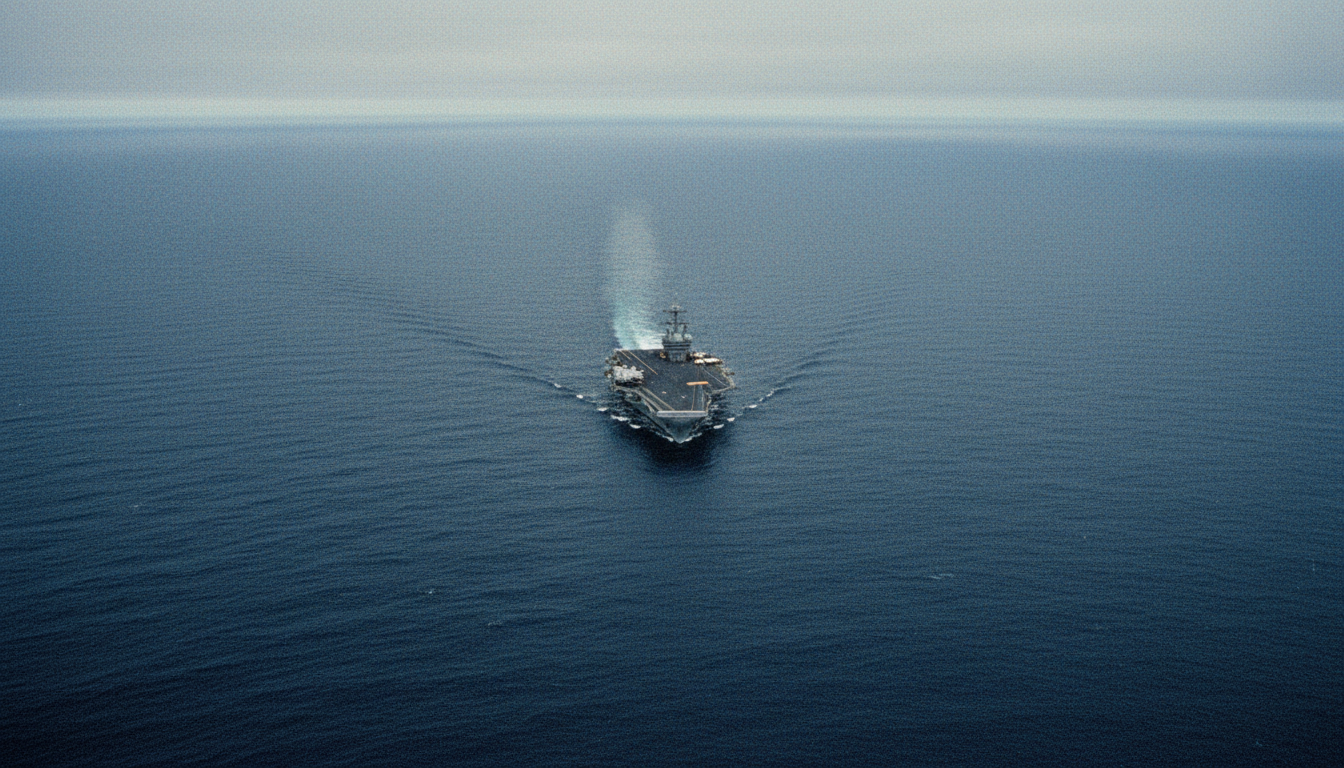
The crew reported that the two smaller objects were soon joined by a much larger, "walnut-shaped" craft. Captain Terauchi estimated the larger object to be twice the size of an aircraft carrier. Anchorage Air Traffic Control (ATC) and the Regional Operations Control Center (ROCC) at Elmendorf Air Force Base confirmed the presence of an "unidentified primary return" on their radar screens, positioned near the JAL 747. The objects maintained a consistent distance from the aircraft for over 50 minutes, following the plane as it executed a 360-degree turn and changed altitude to verify if the returns were reflections.
FAA Investigation and Seizure of Records
Following the landing in Anchorage, the Federal Aviation Administration (FAA) launched a formal investigation. John Callahan, the FAA’s Division Chief of the Accidents and Investigations branch at the time, later testified that he had overseen the collection of radar data and voice tapes. Callahan claimed that during a briefing with representatives from the CIA and the FBI, the officials ordered the records to be kept secret, stating the incident "never happened." However, Callahan retained a copy of the data, which was later released via FOIA requests.
Physical Evidence and Official Legacy
Despite the alleged attempts at suppression, a significant portion of the radar data and the pilot’s detailed sketches survived. The radar returns showed the object moving at speeds and angles that suggested it was not a conventional aircraft or a known weather phenomenon. The JAL 1628 case remains a cornerstone of UAP research due to the combination of veteran pilot testimony, ground radar confirmation, and official FAA documentation, providing a robust dataset for the study of unconventional aerial phenomena in US airspace.
— CHAIN OF CUSTODY: SOURCES & FURTHER READING
— FIELD REPORTS (0)
Sign in to post a field report.
No field reports yet. Be the first to contribute.
DISCLAIMER: Every story on this site is based on documented real-world reports or official records. We do not publish fiction. All sources are cited above.