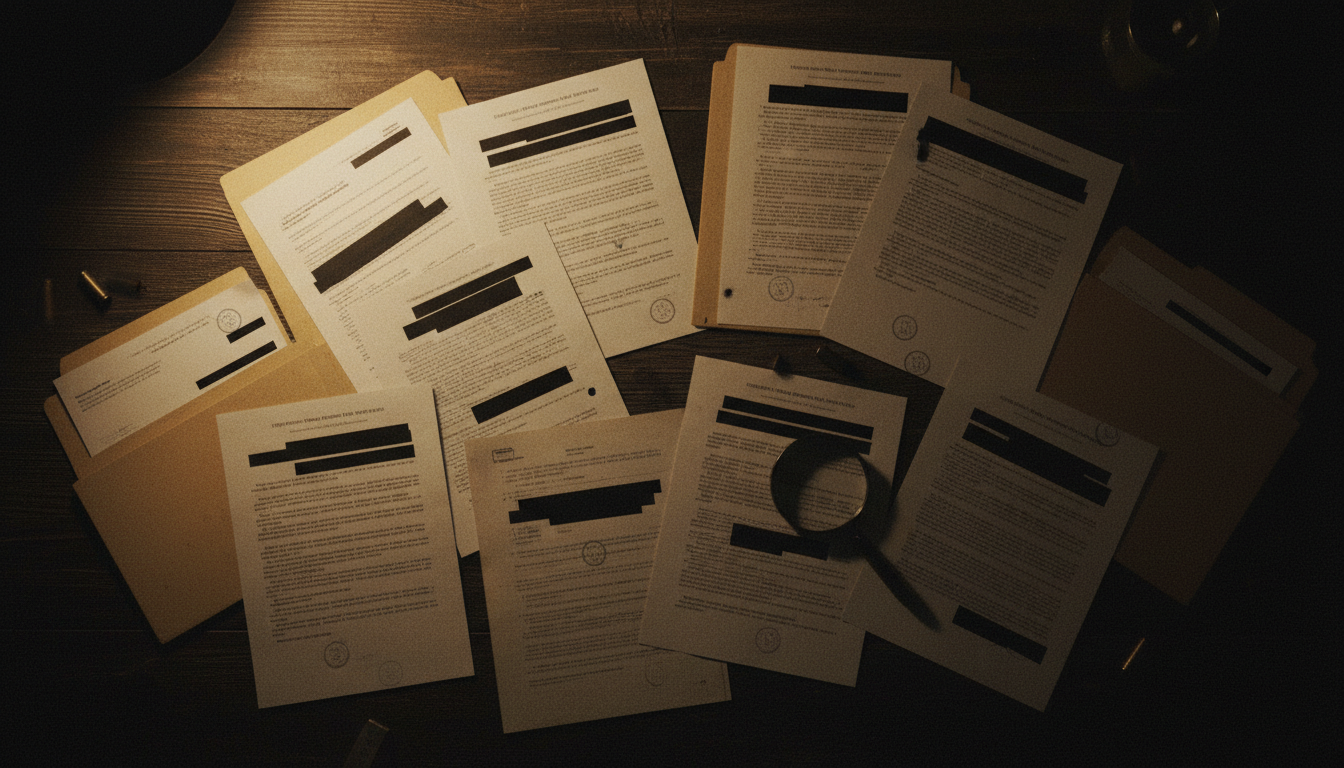
The 1967 Malmstrom Air Force Base UAP Incident: Analysis of Nuclear Missile Interference and Declassified Records
— EXECUTIVE SUMMARY
A series of unexplained UAP sightings coincided with the simultaneous shutdown of multiple nuclear-tipped Minuteman missiles at Malmstrom Air Force Base. The incident remains one of the most significant cases of potential UAP interference with strategic nuclear infrastructure in U.S. military history.
The Malmstrom Incident: Strategic Security Breach
On the morning of March 16, 1967, security personnel and missile combat crews at Malmstrom Air Force Base in Montana reported a series of anomalous aerial phenomena that directly preceded a catastrophic failure of the base's nuclear deterrent capabilities. According to declassified documentation, including records archived by The Black Vault, security police observed a glowing, disc-shaped object hovering directly above the E-Flight Launch Facility. The object reportedly exhibited non-ballistic flight characteristics, including rapid acceleration and abrupt stops, which defied the known performance envelopes of contemporary aircraft.
Simultaneously, the missile combat crew reported that ten Minuteman I intercontinental ballistic missiles (ICBMs) experienced a 'no-go' condition, effectively rendering them inoperable. The timing of the electronic malfunctions, which occurred in rapid succession, led to an immediate investigation by the Air Force. While official reports often sought to attribute such failures to routine technical glitches or power surges, the proximity of the UAP sightings to the affected silos has fueled decades of debate regarding the potential for UAP to interact with or disable sensitive nuclear command and control systems. One security policeman involved in the incident was reportedly so affected by the encounter that he requested a permanent transfer from security duty. The case remains a cornerstone of UAP research, highlighting the recurring pattern of UAP interest in atomic and nuclear infrastructure, a phenomenon documented across decades of declassified government files.
— CHAIN OF CUSTODY: SOURCES & FURTHER READING
— FIELD REPORTS (0)
Sign in to post a field report.
No field reports yet. Be the first to contribute.
DISCLAIMER: Every story on this site is based on documented real-world reports or official records. We do not publish fiction. All sources are cited above.