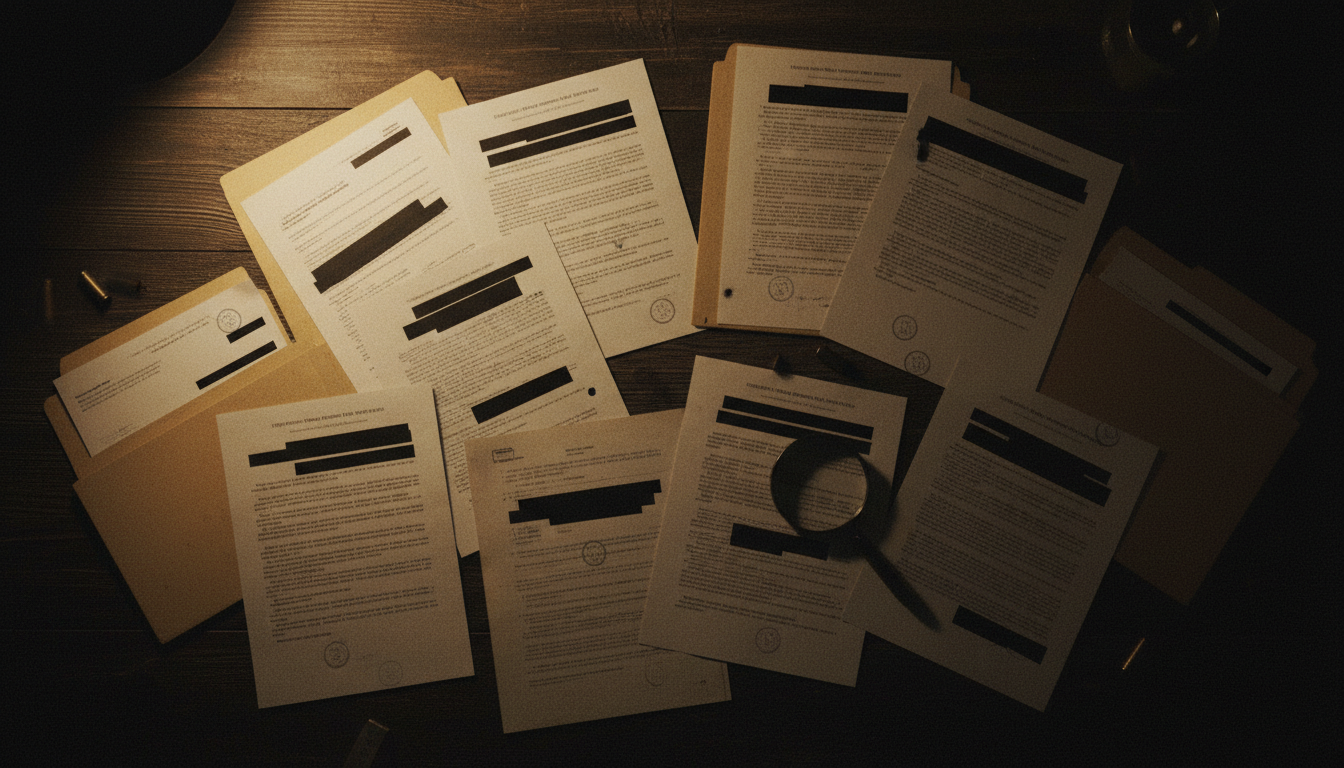
The 1967 Malmstrom Air Force Base UAP Incident: Analysis of Military Records
— EXECUTIVE SUMMARY
On March 16, 1967, personnel at Malmstrom Air Force Base reported a series of UAP sightings that coincided with the simultaneous shutdown of multiple nuclear-tipped Minuteman missiles. This event remains one of the most significant documented cases of UAP-related interference with strategic military assets.
The Echo-Flight Incident
On the morning of March 16, 1967, the E-Flight Missile Combat Crew, stationed deep within the Echo-Flight Launch Control Center (LCC) at Malmstrom Air Force Base, experienced a profound security anomaly. According to declassified military records and internal documentation, the crew reported that their console indicated a 'No-Go' status for all ten of their assigned Minuteman intercontinental ballistic missiles. This meant that the missiles had been rendered inoperable, effectively disabling a critical component of the United States' nuclear deterrent.
Corroborating Evidence and Observations
Security personnel on the surface reported observing a glowing, disc-shaped object hovering over the missile silos during the exact timeframe of the electronic failures. The object was described as metallic and silent, exhibiting flight characteristics that defied conventional aeronautical capabilities. The incident was not isolated to a single silo; rather, it affected the entire flight of missiles in a rapid, sequential manner. The subsequent investigation by the Air Force, documented in records now available through The Black Vault, struggled to provide a conventional explanation for the simultaneous electronic failures. While the official Air Force position often cited technical malfunctions or power surges, the testimony of the missile combat crews—who were trained to distinguish between routine maintenance issues and genuine security threats—suggests a more complex interaction. The Malmstrom incident serves as a cornerstone case for researchers investigating the intersection of UAP activity and nuclear weapons infrastructure, highlighting the potential for these phenomena to exert influence over highly secure, hardened military systems. The case continues to be a subject of intense scrutiny by the All-domain Anomaly Resolution Office (AARO) as they review historical records of UAP incursions into sensitive airspace.
— CHAIN OF CUSTODY: SOURCES & FURTHER READING
— FIELD REPORTS (0)
Sign in to post a field report.
No field reports yet. Be the first to contribute.
DISCLAIMER: Every story on this site is based on documented real-world reports or official records. We do not publish fiction. All sources are cited above.