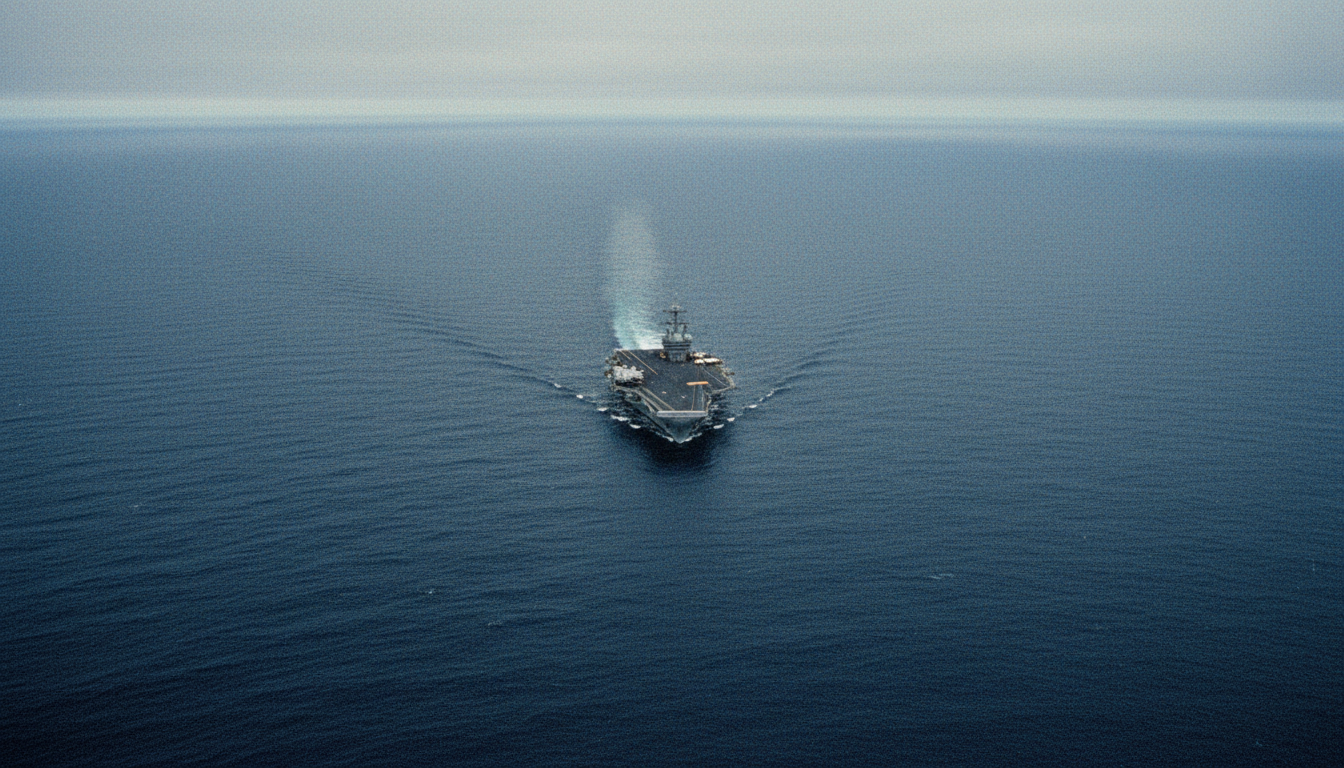
The 1952 Washington, D.C. UAP Incursion: A Historical Analysis
— EXECUTIVE SUMMARY
During two consecutive weekends in July 1952, unidentified radar blips and visual sightings over the U.S. Capitol triggered a national security crisis. The events forced the Air Force to scramble interceptors and eventually led to the formation of the CIA's Robertson Panel.
The 1952 Washington National Airport Sightings
In July 1952, the United States experienced what is now referred to as the 'Big Flap,' a series of UAP sightings that culminated in a dramatic incursion over the nation's capital. On the nights of July 19-20 and July 26-27, air traffic controllers at Washington National Airport and radar operators at Andrews Air Force Base tracked multiple unidentified targets moving at speeds that defied conventional aeronautical capabilities. These objects were observed performing erratic maneuvers, including sudden stops and accelerations exceeding 7,000 mph, which were confirmed by both civilian and military radar systems.
As the sightings intensified, the U.S. Air Force scrambled F-94 Starfire interceptors to investigate. Pilots reported visual contact with bright, glowing objects that consistently outmaneuvered the jets, disappearing from sight as the aircraft approached. The public panic was exacerbated by widespread media coverage, leading to a press conference where the Air Force attempted to attribute the sightings to temperature inversions—a claim that was met with significant skepticism by the radar operators and pilots involved.
The incident prompted the Central Intelligence Agency to convene the Scientific Advisory Panel on Unidentified Flying Objects, commonly known as the Robertson Panel, to assess the threat posed by these phenomena. Declassified documents from the CIA and the Department of Defense reveal that the government was deeply concerned about the potential for these sightings to clog communication channels and distract from legitimate national security threats. Despite the official dismissal of the events as natural phenomena, the 1952 Washington incursion remains a pivotal case in the history of UAP research, highlighting the tension between military intelligence, public transparency, and the unexplained nature of the objects tracked over restricted airspace.
— CHAIN OF CUSTODY: SOURCES & FURTHER READING
— FIELD REPORTS (0)
Sign in to post a field report.
No field reports yet. Be the first to contribute.
DISCLAIMER: Every story on this site is based on documented real-world reports or official records. We do not publish fiction. All sources are cited above.